

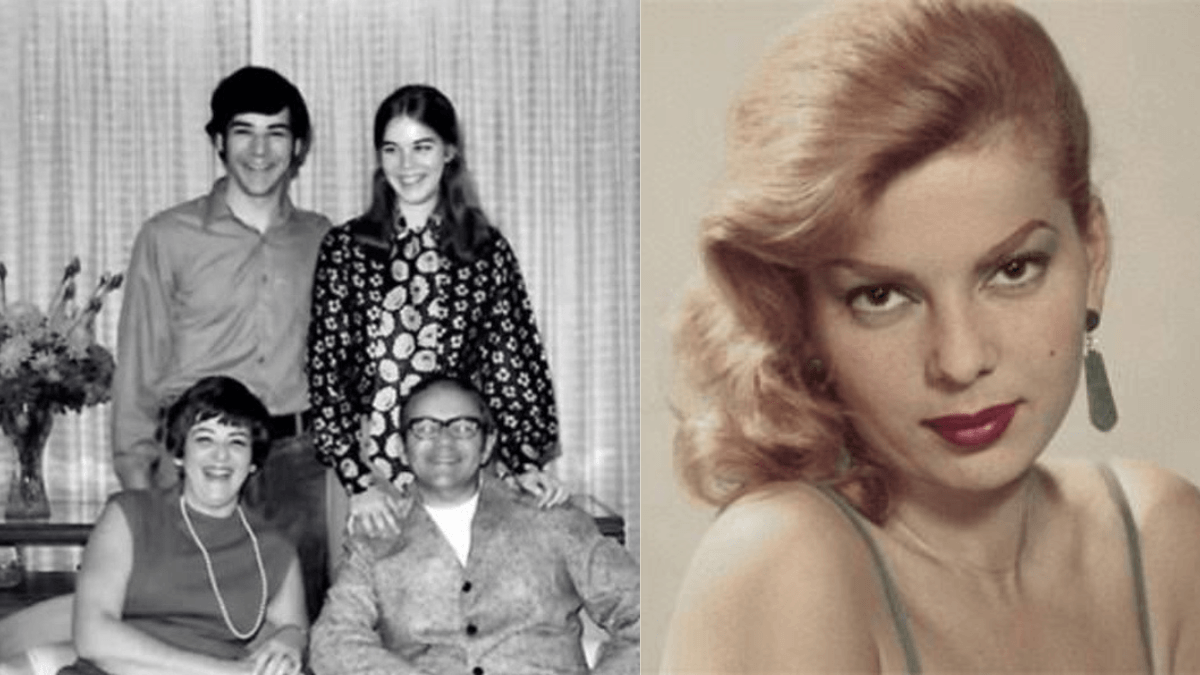
Marsha Patinkin was not the first name people thought of when they heard the family name.. She had her own place in the world both within her family and in the community where she lived. She was born in Cook County, Illinois on December 19 1949. Her life stayed private away from the spotlight. Still, even though it was short her time on earth left a mark. She lived with purpose,
guided by goals and a strong sense of responsibility. She quietly helped others in ways and made a difference through her actions. She was never famous. She didn’t become known through fame or publicity. Her influence came from work, from helping others and from her steady commitment to serving. She established kindness, warmth and integrity in every part she did.
Her story is like a candle lit in the window at night – small, yet alive to offer comfort and desire. It doesn’t shout. It shines. Marsha passed away in San Diego on November 29 2004. Though she wasn’t well-known, her life matters. Her legacy deserves to be remembered not as Mandy Patinkin’s sister but as a woman who lived with quiet strength and deep care.
Marsha Patinkin’s Career in Community and Nonprofit Service
Marsha Patinkin’s professional life and civic life were closely connected to nonprofit service, community work, and practical support for others. She was in Reno, Nevada according to records. There she worked as an Executive Director focusing on interfaith and community efforts. Later she moved to San Diego. There she had leadership roles with the Crohn’s & Colitis Foundation of America.
Her career did not get a lot of attention. It helped create trust, connections and teamwork between people who were not friends and did not know each other. I think this kind of work is very important because it is like building something over time through kindness and staying strong not through getting fast recognition.
Her leadership positions show that she was good at organizing, convincing people listening and keeping a mission going. She was involved in causes and helped guide them. Her service on a national board as well as at the chapter level shows both breadth and local commitment. She could think nationally while staying local and grounded, a combination that is rare because many leaders do not widen their gaze beyond one level of service.
Marsha’s public record also mentions Crohn’s disease, a serious chronic illness that adds another dimension to her work and leadership. Continuing to serve while carrying personal burdens requires grit, a kind of quiet steel that cannot be easily copied. Her story is therefore compelling, especially because she was leading without the ease that many people may take for granted.
| Quick Bio | Details |
| Full name | Marsha Gail Patinkin |
| Born | December 19, 1949 |
| Birthplace | Cook County, Illinois |
| Died | November 29, 2004 |
| Place of death | San Diego, California |
| Brother | Mandy Patinkin |
| Daughters | Leslie, Amanda, and Lainie |
| Known for | Community service and advocacy |
| Organization | Crohn’s & Colitis Foundation of America |
The Shape of Her Public Legacy
Marsha Patinkin’s dual legacy can be understood through family and service, not as distinct tracks but as parts of one life. Her story shows the public signs that mothers, sisters, aunts and daughters often leave behind. Their influence can be found in houses, offices, kitchen tables, hospital halls and community meetings.
In my opinion this makes her legacy simpler to see because its, about how someone was and gave help when it was needed. Like a river much of that influence may remain undetectable while still feeding the surrounding land. After her death public notifications and memorial mentions indicate that her community and family remembered her. This shows that her influence was more than a name, in records and that her absence was genuinely missed.
Family Ties: Siblings, Aunts, and Extended Bonds
The story of Marsha Patinkin begins with a family shaped by a dynamic network of interactions and shared experiences. Her brother Mandy, formerly known as Mandel Bruce Patinkin, built a career in the spotlight, marrying Kathryn Grody in 1980 and becoming the father of two sons, Gideon Grody-Patinkin, born in 1987,
and Isaac, born in 1983. Marsha was a loving aunt and devoted sibling, helping carry the Jewish legacy of the family into future generations. Their childhood memories, including a folk duet and its tune of sibling harmony, remained part of their connection as she watched Mandy’s career move from the stage to the movie world.
The extended family added another layer to this story. Sheldon Patinkin, a theater director who influenced Chicago’s cultural scene, and Mark Patinkin, a journalist known for capturing life’s subtleties, were cousins. Marsha’s parents, Lester (1919–1972) and Doris (1925–2014), provided important roots, while Doris later co-wrote a Jewish cookbook with Mandy.
Other relatives included Neal Rubin, Bonnie Rubin, Alan Rubin, Patty Rubin, Robert Rubin, Susan Rubin, Joane Gimbel, and Kenneth Gimbel, along with the step-family connected to Doris’s 1974 marriage to Stanley. Each of these names forms a thread in the family life tapestry reflected in calls of support during times and shared holidays.
Marsha was especially proud of her daughters, Leslie, Amanda and Lainie. Leslie, the youngest, reflected her nurturing personality. Amanda, the kid showed calm resolve.. Lainie, the eldest, upheld the family’s values. They supported her over the years though details about their lives remain secret.
Only limited information is documented. That privacy can feel like whispers in a large room, leaving some parts of the family story unknown. Her marriage became the foundation of this unit in San Diego, where she managed her advocacy duties while juggling them with family life.
Conclusion
Marsha Patinkin expected more than a phone call from Mandy’s sister or contact with Patinkin’s family. Her own family history is built on sisterhood, a kinship, and an enduring connection rooted in shared documents. Their lives intersected in specific places and along specific paths, developing an emotional geography that would become stable and profound.
While Mandy became widely known as a public parent, Marsha additionally was not public, having a middle ground between public identity and private existence, her calling may continue to exist through this relationship, but her personal portrayal of caring for web providers and family enables her to give as a full person, as opposed to celeb.
The Patinkin family included several siblings, with Mandy and Marsha following different places and paths while maintaining a meaningful connection. The difference between being a celebrity and having a private personal life makes the story more complete. It shows how public identity,
private life and being seen by others can all be part of the person. For me that balance matters because it keeps Marsha in the spotlight without making her identity about someone Fame. Her family, community service, and family care give greater meaning to the name that survives in public memory.
FAQS
Who became Marsha Patinkin?
Marsha Patinkin happens to be the sister of actress and singer Mandy Patinkin. She became better known for her family lifestyle and social career than public fame.
Was Marsha Patinkin in a relationship with Mandy Patinkin?
Indeed. Marsha Patinkin became Mandy Patinkin’s sister, and Patinkin became part of her family.
What does Marsha Patinkin think?
She became involved in network service, community service, caring for her family, and leadership roles.
Where did Marsha Patinkin live?
Publicity joins Marsha in Reno, Nevada, and later San Diego, where she appeared in networking and speaking engagements.
When did Marsha Patinkin die?
Marsha Patinkin died on Nov. 29.
Did Marsha Patinkin have children?
Indeed. She had three daughters, Leslie, Amanda and Lainey.
