

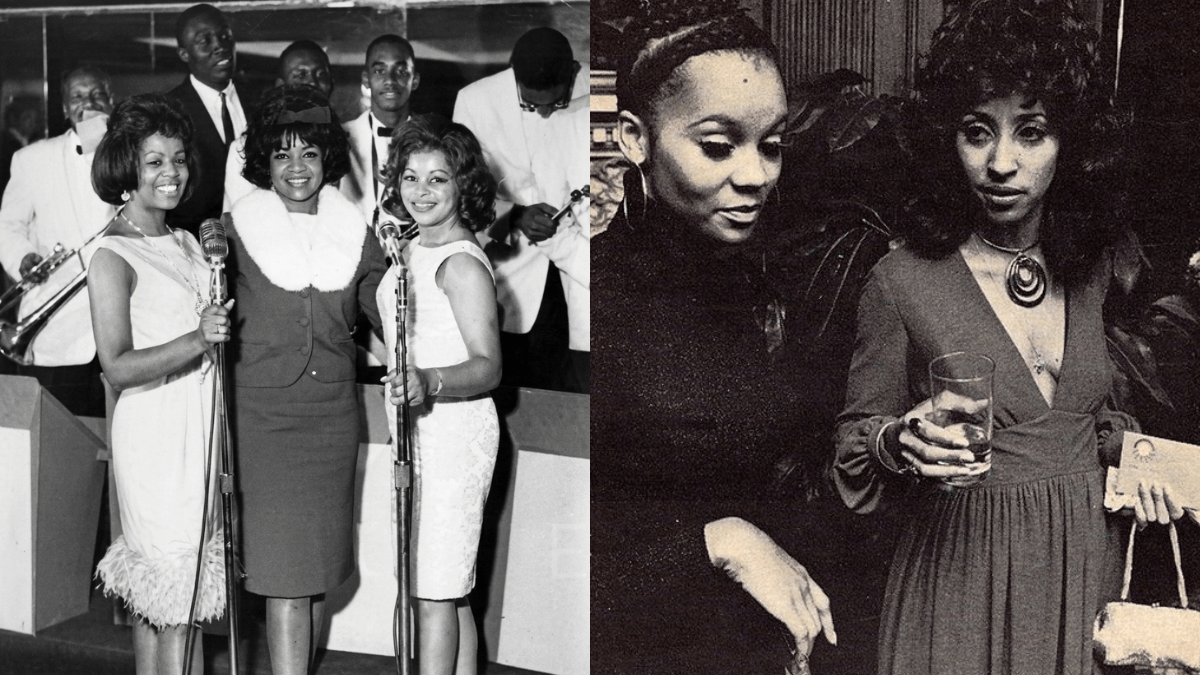
I have always been drawn to lesser-known people with amazing tales, and Loucye Gordy Wakefield is one of the best examples I have come across. She was born on December 24, 1924, and her brief life still left a mark on the establishment of a cultural empire. Most stories about Motown start and end with the big names, but I think she deserves more than a footnote.
Inside the Gordy family constellation, Loucye was the steady hand in the mechanism that took songs and transformed them into enduring value. When I first read about her, I was captivated, because I have seen in my own work how organization matters just as much as creativity.
Someone has to keep the books straight and the people on track, and Wakefield worked in that space. Her impact is easy to miss, but the Gordy name carried weight in part because of her, and that fact makes December 24 a date worth remembering.
Loucye Gordy Wakefield’s Career at Motown: From Billings to Jobete Music
I picture Loucye as a practical organizer more than a glossy executive, the person who turned promises into invoices. Around 1960 she moved into administrative roles at Motown, where she took responsibility for manufacturing, sales, billings, and collections. That was the numbers side of the operations,
and it decided whether musicians got their records into stores and whether royalties actually reached writers and publishers. She was not only a desk worker, though. In 1961 she was listed with a songwriting credit on the single “Don’t Let Him Shop Around,” and I like to read those small printed credits as proof that she was comfortable in both creative and commercial worlds. By the mid 1960s she was leading Jobete Music, Motown’s publishing arm.
Jobete would grow into a vast catalogue of real value, but in its infancy it needed careful bookkeeping and solid rights management. Loucye sat right where creative output met cold cash, and she is credited with putting collection systems and distribution accounting in place that stabilized the cash flow during a fragile growth period. Her creative credits and her ledger work belong in the same story.
| Detail | Information |
|---|---|
| Full name | Loucye Gordy Wakefield |
| Born | December 24, 1924 |
| Died | July 24, 1965 (age 40) |
| Family | Member of the Gordy family |
| Spouse | Ron Wakefield, a tenor saxophonist (married in the late 1950s) |
| Children | Little public record |
| Company | Motown |
| Early role | Administrative roles around 1960 covering manufacturing, sales, billings, and collections |
| Leadership role | Led Jobete Music, Motown’s publishing arm, by the mid 1960s |
| Known for | Setting up collection systems and distribution accounting that stabilized cash flow |
| Songwriting credit | “Don’t Let Him Shop Around” (1961) |
| Legacy | Loucye Gordy Wakefield Scholarship Fund, a 1968 tribute compilation, and Sterling Ball benefit gatherings |
| Community impact | Scholarship support for younger people in Detroit and the Gordy family community |
What Loucye Left Behind
Numbers are important, and when I trace the labor of Loucye at Motown, the numbers tell most of the story. The tasks that typically go unseen, the invisible tasks like balancing distributor accounts, setting up billing procedures, completing publishing registrations, and keeping royalty ledgers, were all tracked by her.
Each of her responsibilities increased Motown’s capacity to reinvest in up-and-coming musicians. She was tasked with overseeing Jobete, and that led to the establishment of a revenue center that would eventually provide millions of dollars in songwriting royalties. Those musicians depended on royalties reaching them,
and the publishing side only worked because the procedures were followed every single time. Her financial worth and salary were not disclosed to the public. Instead, she left behind an operational publishing business and a collection of institutional procedures that generated benefits for the family and the business. I find this the most underrated kind of work, because nobody applauds a clean ledger, yet everything else depends on it.
A Life Cut Short
Loucye married Ron Wakefield, a tenor saxophonist, sometime in the late 1950s, though there is little public record of children, and I think that gap says a lot about how private she kept her home life. What is firmly recorded is the date of her death: July 24, 1965. She was 40 years old, and her passing came when her life was still busy and pivotal for Motown’s back office. When I see July and 24 next to 1965,
It reads like a plain line on a page, but it marks a death that cut short a career the whole company leaned on, and the 40 years she had were packed with more work than most people finish in twice the time. In the years that followed, family-led memorial efforts kept her memory going, including a gospel tribute and scholarship events that carried her name.
A tribute in song and a scholarship in her honor feel right for someone who spent her days making sure other people got paid. The memorial and gospel side of those efforts shows how much the family cared, even when the public knew so little. The record is thin, yet the Wakefield name still points back to Motown, and a saxophonist and a tenor voice in the house probably meant music never left her life, on the job or off it.
How Her Name Lived On
In 1968, a tribute compilation bearing a dedication to Loucye appeared as a kind of musical elegy, and I think that is one of the more moving ways a family can say goodbye. That collection, along with subsequent benefit events known as Sterling Ball gatherings, was tied to the Loucye Gordy Wakefield Scholarship Fund. Each of those gatherings was a night where music and giving came together,
and the scholarship functioned as both memory and mechanism, turning grief into investment for younger people in Detroit and the Gordy family community. When I look at how the Gordy and Wakefield names show up here, what stands out is the plain practicality of it. A tribute can fade, but a Fund that pays for a young person’s future keeps working long after the compilation stops playing.
The elegy gave people a place to feel the loss, the events gave them a reason to meet, and the Sterling Ball nights, as the kind of benefit gatherings they were called, brought the musical side and the community side together. It mattered that both the family and the people around them took part, and that the younger crowd was the one who gained from it.
Conclusion
I find the Gordy family to be a study in distributed leadership, and Loucye fits into it better than most people realize. Berry Gordy Jr created the public face of Motown, but a network of siblings ran departments, fostered artists, and managed back office functions behind him. Esther became a cultural steward, Anna negotiated creative collaborations, Gwen built business ventures with Harvey Fuqua,
and Robert and George handled publishing and production. Loucye kept the engines of commerce well oiled, and that is the part I keep coming back to. In this family, bloodlines were also job descriptions, and they used kinship as a governance model. It was messy, but it was effective, and it produced legends. Each Gordy had a lane, and the leadership was distributed so no single person carried the whole weight.
While Berry held the public spotlight, the face people saw was only one side of a network of siblings who ran departments and worked with artists every day. The back office and its functions were not glamorous, yet the cultural and creative sides could not move without them. Having watched small teams work, I think a business like this only holds together when the steward
and the collaborations are matched by people who handle publishing, production, and commerce with care. The engines kept turning because every job and every description line was taken seriously, and that governance model is a big reason the legends lasted. Even the way they ran, fostered, managed, built, negotiated, became, and handled their roles shows a family that treated work as something shared, and with ventures like theirs it worked.
FAQs
Who was Loucye Gordy Wakefield?
She was a member of the Gordy family who worked behind the scenes at Motown. She handled the money side of the business, including sales, billings, and collections.
When was she born, and when did she die?
She was born on December 24, 1924. She died on July 24, 1965, at the age of 40.
What did she do at Motown?
Around 1960 she moved into administrative roles covering manufacturing, sales, billings, and collections. By the mid 1960s she was leading Jobete Music, Motown’s publishing arm.
What is Jobete Music?
It was Motown’s publishing company. It handled songwriting rights and royalties, and it later grew into a very valuable catalogue.
Is she credited on any songs?
Yes. In 1961 she was listed on the songwriting credit for the single “Don’t Let Him Shop Around.”
Who did she marry?
She married Ron Wakefield, a tenor saxophonist, sometime in the late 1950s. There is little public record of children.
Why is her work seen as important?
She set up collection systems and distribution accounting that helped steady cash flow during a fragile growth period. This kind of work helped Motown reinvest in new musicians.
How is she remembered?
A tribute compilation with a dedication to her appeared in 1968. Benefit events called Sterling Ball gatherings supported the Loucye Gordy Wakefield Scholarship Fund, which helped younger people in Detroit and the Gordy family community.
What was her role in the Gordy family?
Her siblings each ran a different part of the business. Loucye kept the engines of commerce well oiled, handling the numbers and procedures that kept everything running.

1 Comment
Pingback: Izaiah Lee Anthony Fair What Is Known, What Is Not, and Why Names Matter - Futurefanzine