

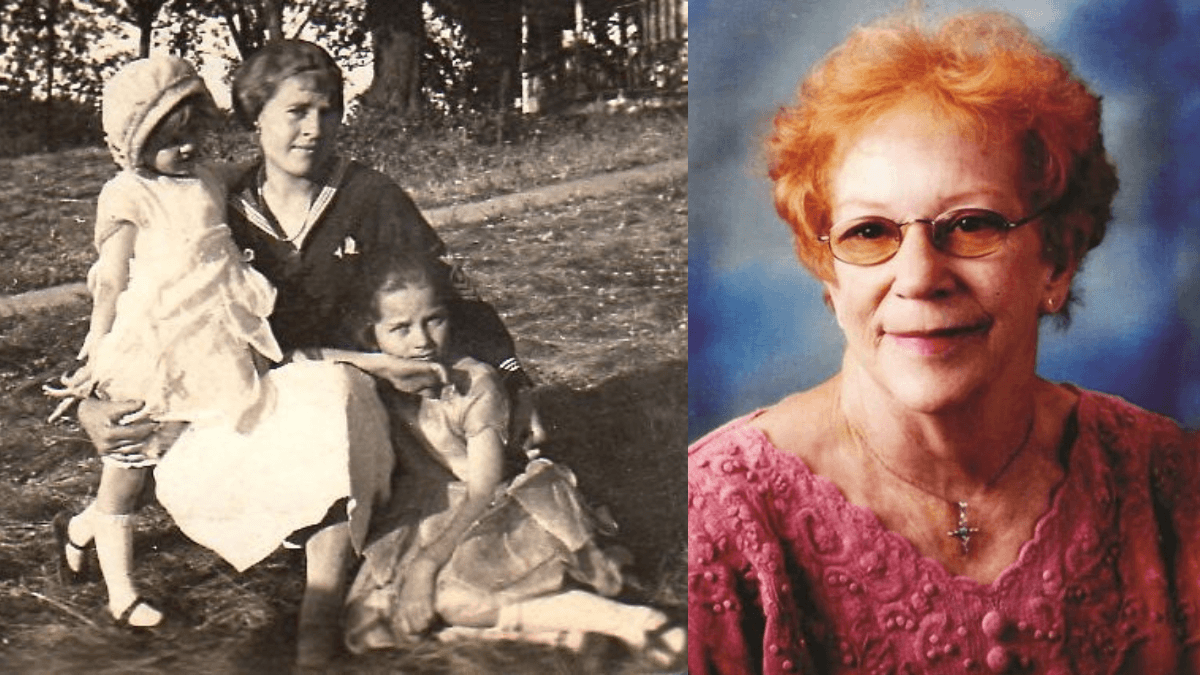
Looking at Marjorie Lorraine Dickey through her later school and working years also brings her early childhood into view. She was born on January eight, 1918, in Otoe County, Nebraska, surrounded by the rolling geographical region. Her birthplace and rural lifestyles in Nebraska fashioned an easy upbringing in Burr and Syracuse, in which friends frequently knew each other via first call. Her family background included her parents, David Eli Dickey and Clarice E. Miller. At home, daily work and community life existed alongside school, church, and team sports, while a severe winter could become part of the ordinary rhythm of life.
From my experience researching people from this period, these small details often help explain the close connection between family, community life, education, and athletics. By the time Marjorie reached Syracuse High School, her education was becoming an important part of her life. She graduated in 1935 when she was 17 years old in the springtime when the country was still trying to get on its feet after the Great Depression. Her adult life quickly involved work with a job as a waitress in her early twenties
while softball offered her a way to be part of community sports in the 1930s. The life record of those years shows how sports, work and social life were connected in a way that showed what life was like, during that time. The diamond became her stage, while the restaurant provided a paycheck. These experiences helped shape her character built a sense of brotherhood and gave her a friendly steady presence that stayed with her throughout her life. This consistent nature carried over into her years connecting her high school graduation, her work life, her time as a softball player, her personality and her involvement, in the wider community.
Marjorie Lorraine Dickey: Marriage, Children, and Family Life in the 1940s
Marriage and Family
Family life became an important part of Marjorie’s story after she married Richard Herbert Cheney around 1940. I remember as a couple we entered a new stage of marriage during the World War II era, also known as WWII, when our generation had to put family needs first and adapt to new conditions.
Our firstborn, Richard Bruce Cheney, was born in 1941 in Lincoln, Nebraska and our secondborn, Robert William arrived in 1943. Raising two kids two years apart Marjorie and I faced the everyday demands of caring for toddlers doing laundry on a washboard or a machine. In 1955, their daughter, Susan Mari, joined the family, adding another child to the household and expanding their family life.
| Detail | Information |
|---|---|
| Full Name | Marjorie Lorraine Dickey |
| Also Known As | Marjorie L. Cheney |
| Born | January 8, 1918 |
| Birthplace | Otoe County, Nebraska, USA |
| Parents | David Eli Dickey and Clarice E. Miller |
| Education | Syracuse High School |
| Graduated | 1935 |
| Spouse | Richard Herbert Cheney |
| Marriage | Around 1940 |
| Children | Richard Bruce Cheney, Robert William, and Susan Mari |
| Known For | Family life, community involvement, softball, church activities, and work |
| Early Work | Waitress |
| Later Work | Bennard’s Funeral Home in Casper |
| Church | First United Methodist Church |
| Sports | Softball |
| Moved to Casper | 1954 |
| Years in Casper | Nearly 40 years |
| Died | December 26, 1993 |
| Place of Burial | Oregon Trail State Veterans Cemetery, Evansville, Wyoming |
Family Life and Responsibility
The following years brought movement and responsibility, with prams, postwar prosperity, short nights, and long days becoming familiar parts of daily life. Marjorie’s early training in endurance and teamwork became worthwhile because the family grew, mainly through the practical needs of parenting and motherhood.
From the home life described in those short glimpses, her function can be viewed via the ideas of perseverance, cooperation, and balance. Her steady presence made her a family keystone, while children, marriage, and household growth remained closely connected to the postwar era and its changing family life.
From Nebraska to Wyoming
Move to Casper, Wyoming
In 1954 Marjorie and Richard Herbert Cheney moved to Casper, Wyoming when she was 36. Marjorie was old enough to have roots. Still young enough to start over making the decision to build a new beginning in a different community. The relocation changed the direction of her life and family story. Casper was a new place surrounded by oilfields and vast skies, where strong winds could surge without notice, while neighbors often watched out for each other. These details give a useful picture of the Wyoming settlement and rural life that became part of her experience.
Life and Legacy in Wyoming
Marjorie lived in Casper for nearly 40 years, raising her children and adjusting to the community pace. Her residence connected her earlier Nebraska roots with central Wyoming, and her family and motherhood became closely tied to community life. She died on December 26, 1993, after a stroke, bringing her life to a stop. Her burial in Evansville at Oregon Trail State Veterans Cemetery connected her demise and legacy with a pioneer territory immortalized in stone, at the same time as the cemetery remains part of the historic document surrounding her tale.
Work, Service, and Pastimes
Work at Bennard’s Funeral Home
When looking at the later working life of Marjorie, her role at Bennard’s Funeral Home in Casper shows a practical side of her character. Before joining the funeral house she had worked as a waitress. The new job required professionalism and compassion. Her work also connected naturally with her church roots through the First United Methodist Church, where she took part in the choir and auxiliary.
Her service and fellowship were part of regular civic participation, while singing gave music a special place in her community language. Sunday mornings, holiday services, and sustained voice movement within blended harmonies made the choir more than a pastime. They reflected church, faith, community service, and responsibility in everyday life.
Community, Work and Family Life
Beyond her job and church activities the picture of Marjorie is both practical and warm. Her experience with softball teams in the 1930s remained part of a life shaped by work, sports and the needs of a growing household. She helped support her family while church stewardship, teamwork and persistence formed part of her life and local life. In researching family histories
I find that these quieter details often explain more than major public events because they show how people contributed to their community, town life and families. Her working life, family support and community support were connected by stability, service and a durable sense of responsibility helping families and towns grow through life.
Names, Places, and Records
The geography of Marjorie Lorraine Dickey’s story becomes clearer when her records and places are considered together. She is also known as Marjorie L. Cheney in some records with differences related to her maiden name, her name, name changes and the use of middle initials, in public documents. As a Nebraska woman who built her adult life in Wyoming, her identity, her surname, her biography and her documentation are best understood through the record of her family, her church and her married life.
Her geography began in Burr and Syracuse continued through Lincoln, where she had her child and later centered on Casper, where she worked and lived for 40 years. Her birthplace and early Nebraska roots eventually connected with her Wyoming residence and community life, while the Oregon Trail State Veterans Cemetery in Evansville became her final resting place. The cemetery adds a historical setting to her life, duty, and family, with historic echoes of migration, fortitude, journey, movement, and settlement, offering a simple way to understand her Wyoming life.
Conclusion
The accomplishments of her eldest son, Richard Bruce Cheney, brought Marjorie greater fame when his name appeared in headlines. Her own life details remain valuable because they show a side of the family stories behind public figures. Her own life details include a graduation from school in the 1930s, support for her family, enjoyment of team sports, on summer diamonds and singing within her church community for many years. These details connect her life details of education, sports, softball, church, community,
motherhood and son to her wider family connection, public recognition and the achievement of building a meaningful public life through everyday experiences. Her life additionally reflects a stable American path, with living across seventy five years and two states. She reared three children over 14 years, later turning into a grandmother to grandkids and incredible-grandchildren. Later insurance may also describe her in a single line as a waitress who became a softball player who settled in Casper,
however that quick description cannot seize the many years of steady provider in the back of her tale. Her working existence, residence in Wyoming and Nebraska, and network service have been often unnoticed, but they had been rarely forgotten by the people who knew her. Her family, kids, grandchildren, and excellent-grandchildren stay critical elements of that legacy and willpower.
FAQS
Who became Marjorie Lorraine Dickey?
Marjorie Lorraine Dickey was an American female whose lifestyles targeted a circle of relatives, network, paintings, church, and softball.
When was Marjorie Lorraine Dickey born?
Marjorie Lorraine Dickey was born on January 8, 1918, in Otoe County, Nebraska.
Where did Marjorie Lorraine Dickey stay?
She grew up around Burr and Syracuse, Nebraska, and later lived in Casper, Wyoming, for nearly 40 years.
Who did Marjorie Lorraine Dickey marry?
She married Richard Herbert Cheney spherical 1940.
How many kids did Marjorie Lorraine Dickey have?
She had three children: Richard Bruce Cheney, Robert William, and Susan Mari.
What changed into Marjorie Lorraine Dickey referred to for?
She is acknowledged for her family existence, artwork as a waitress, softball involvement, church sports activities, and lengthy connection with the Casper community.
What art work did Marjorie Lorraine Dickey do?
Before working at Bennard’s Funeral Home in Casper, she labored as a waitress. She later served in a feature that required calmness and compassion.
Was Marjorie Lorraine Dickey concerned about softball?
Yes. She achieved softball in the course of the 1930s and remained connected with network sports activities.
When did Marjorie Lorraine Dickey die?
Marjorie Lorraine Dickey died on December 26, 1993, after suffering a stroke.
Where has Marjorie Lorraine Dickey buried?
She came to be buried at Oregon Trail State Veterans Cemetery in Evansville, Wyoming.

1 Comment
Pingback: Shamsa Bint Suhail Al Mazrouei Family, Lineage, and Public Profile - Futurefanzine